
THE INSTITUTE
ABOUT
Where lived experience and science becomes collective leadership.
The Walking the Talk for Dementia Institute (WTDI) is a Brazil-based, non-profit organization built to challenge how dementia is experienced, understood and researched.
What began as a group of friends united by a shared purpose to create an immersive experience has evolved into Walking the Talk for Dementia (WTD) - a global platform for education, research, advocacy, collaboration, and community-building grounded in Patient/Person and Public Involvement (PPI) - and has ultimately led to the creation of our own organization, shaped by those who understand dementia from diverse scientific, social, and lived perspectives.

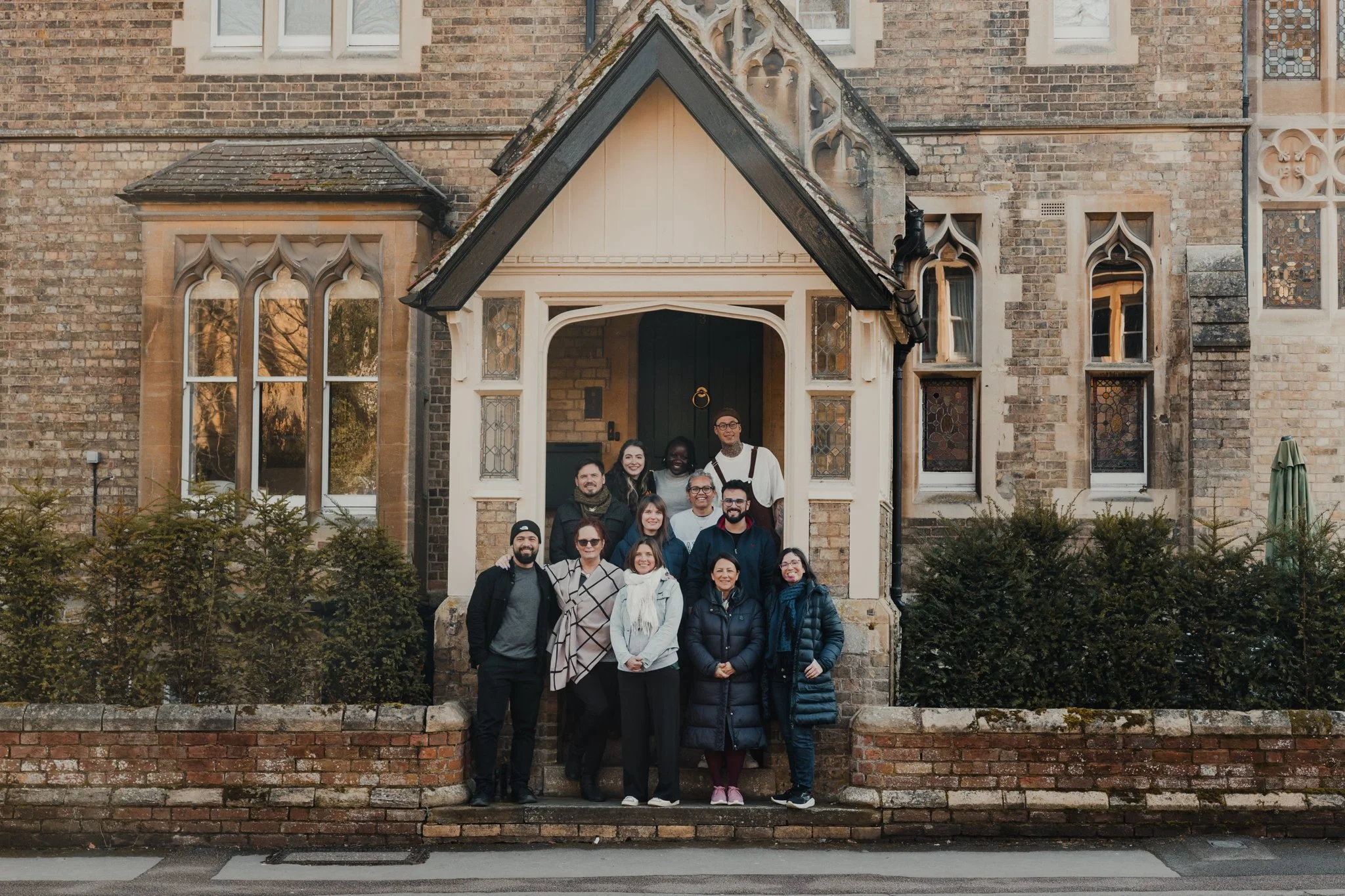
First WTDI Founders' Meeting – Atlantic Institute House, Oxford
WHY IT MATTERS
Dementia is not only a medical condition, it is a social, cultural, political, and deeply human experience.
Real change does not come from louder experts but from curiosity and deeper conversations, held in spaces where vulnerability, knowledge, and lived experience carry equal weight.
WHAT WE DO
The Institute acts across four interconnected domains:
Education
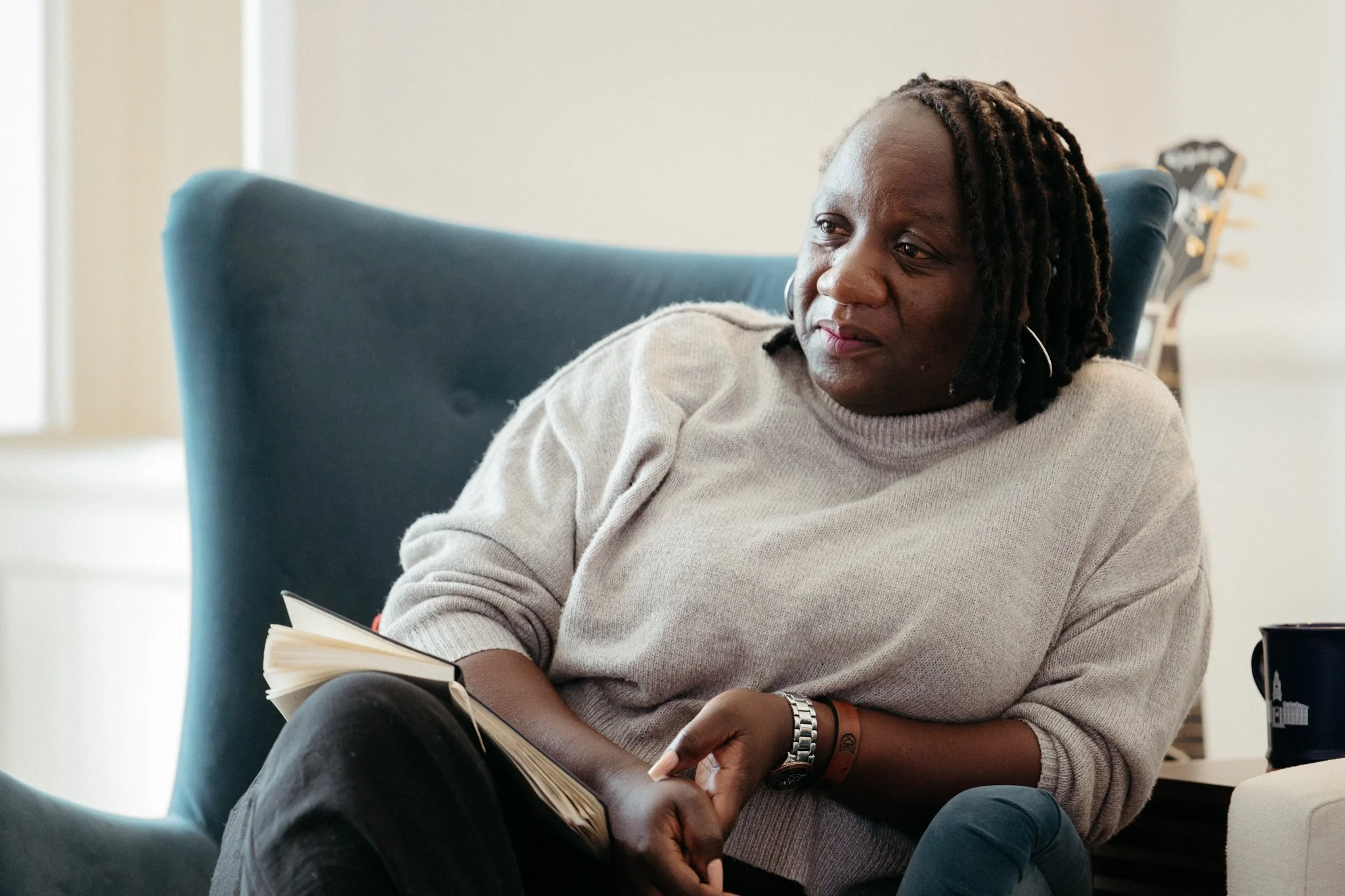
Designing learning experiences that challenge traditional power dynamics and center lived experience as legitimate expertise.
Community-building
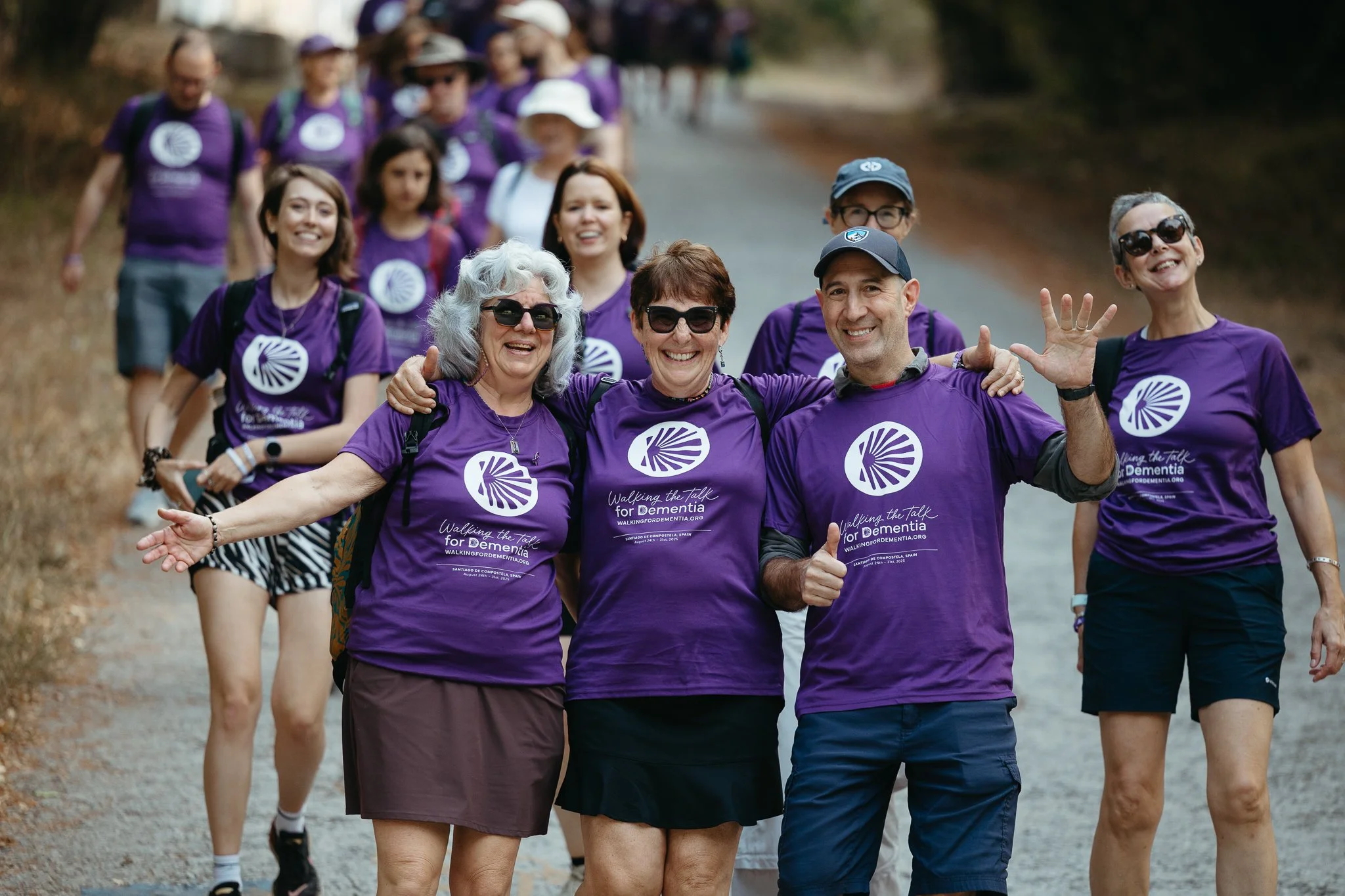
Sustaining a global, intergenerational network of people connected by dementia — across research, care, policy, arts, and advocacy.

Research
Producing participatory, co-authored, and ethically grounded knowledge that reflects real lives and real complexity.
Advocacy & systems change
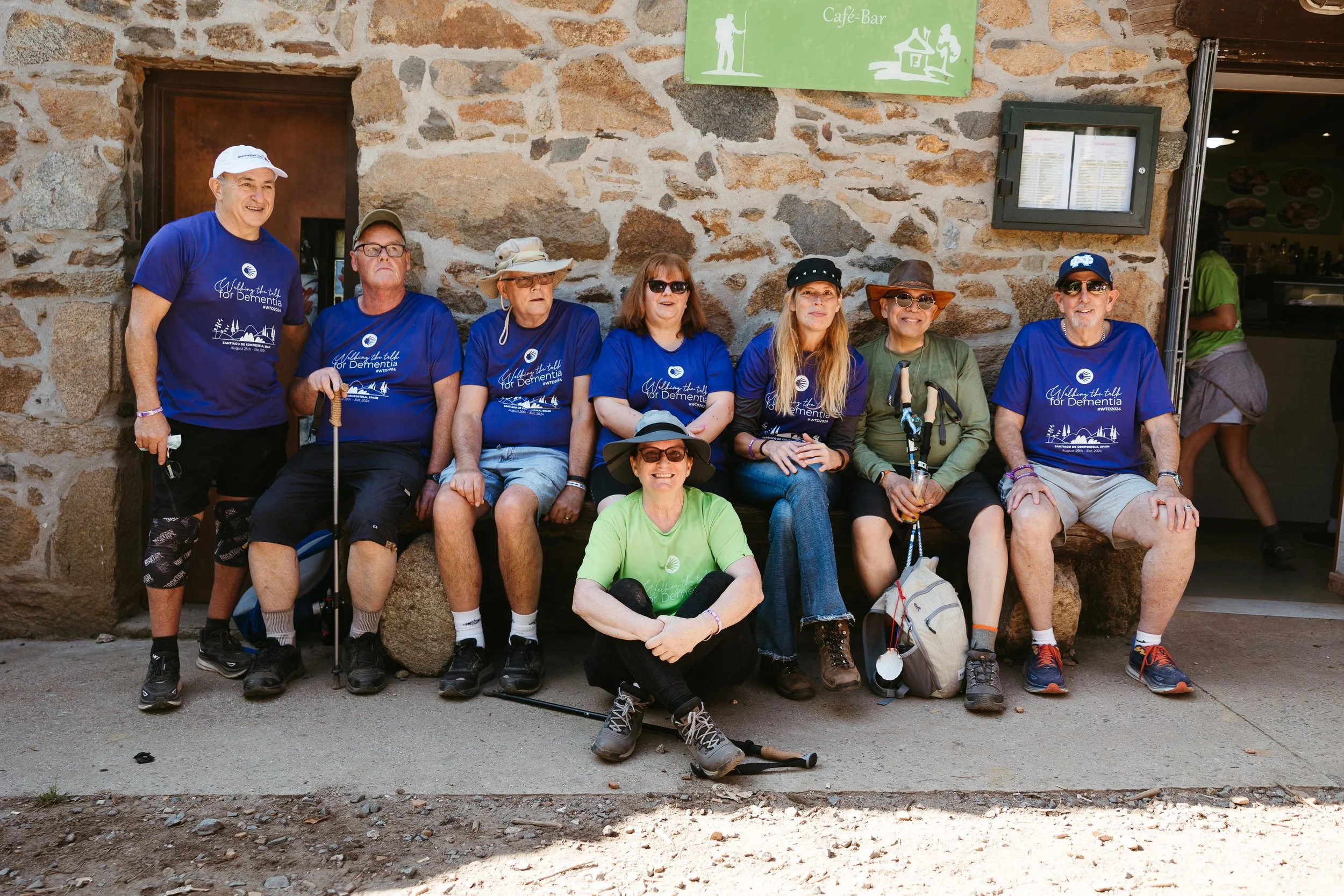
Supporting organizations and institutions to move from consultation to true co-creation with people living with dementia and care partners.
All four pillars merge in our annual Walking the Talk for Dementia conference, where education, community, research, and advocacy are lived in practice.
WHO WE ARE
The WTD Institute was founded and is led by an international group of researchers, advocates, professionals, artists, and people with lived experience in dementia, working across disciplines and perspectives to advance more inclusive ways of knowing and doing.
Board Members
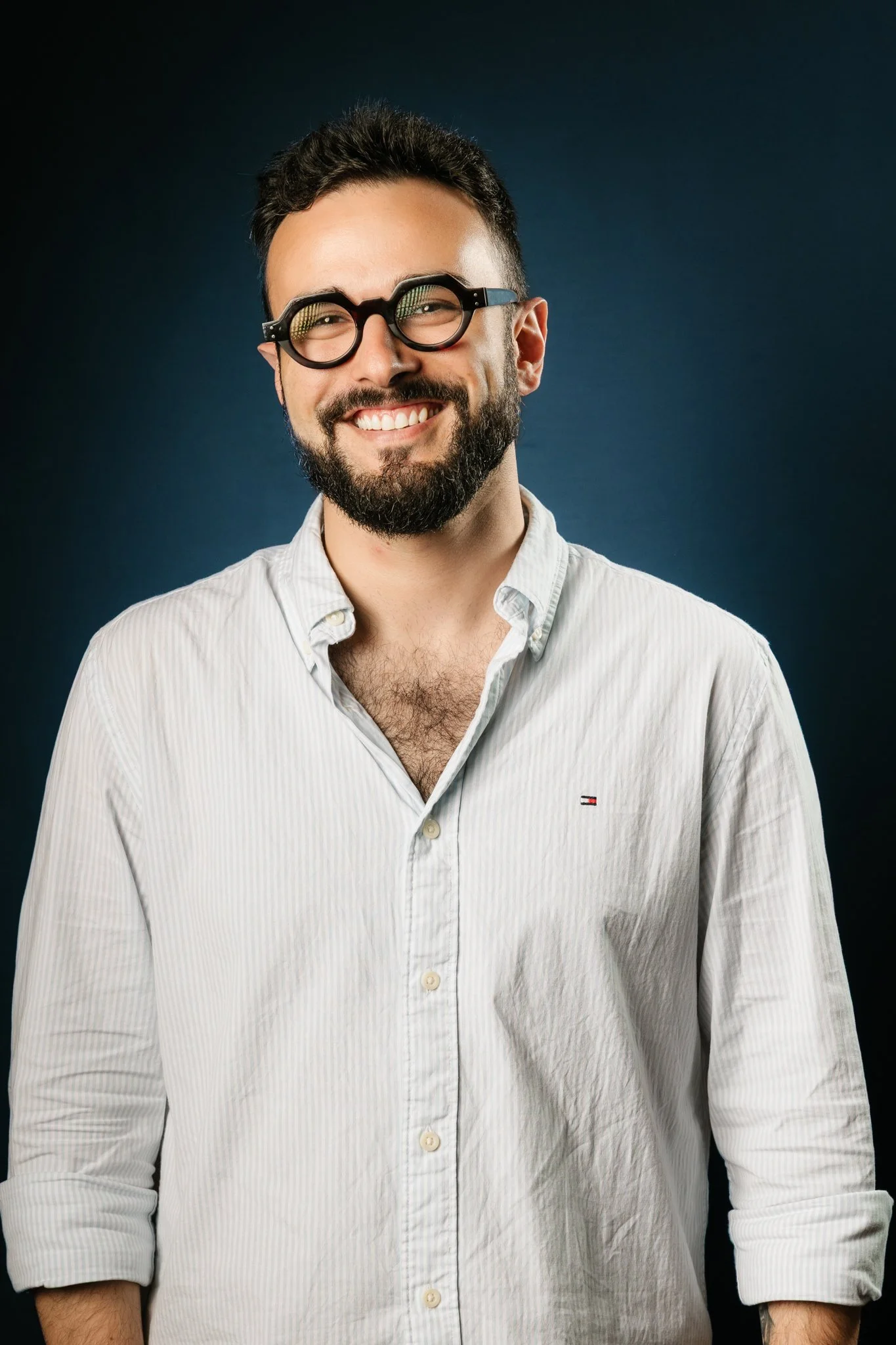
Fernando Aguzzoli-Peres
Executive Director & Board Member
Journalist, Senior Atlantic Fellow for Equity in Brain Health at Global Brain Health Institute (GBHI) - Trinity College Dublin (TCD), and Director of Institutional Development at the International Longevity Centre Brazil (ILC-BR). Author of five books on dementia, with nearly 500,000 copies sold. A three-time TEDx speaker, Senior Fellow of the U.S. Department of State's Young Leaders of the Americas Initiative (YLAI).
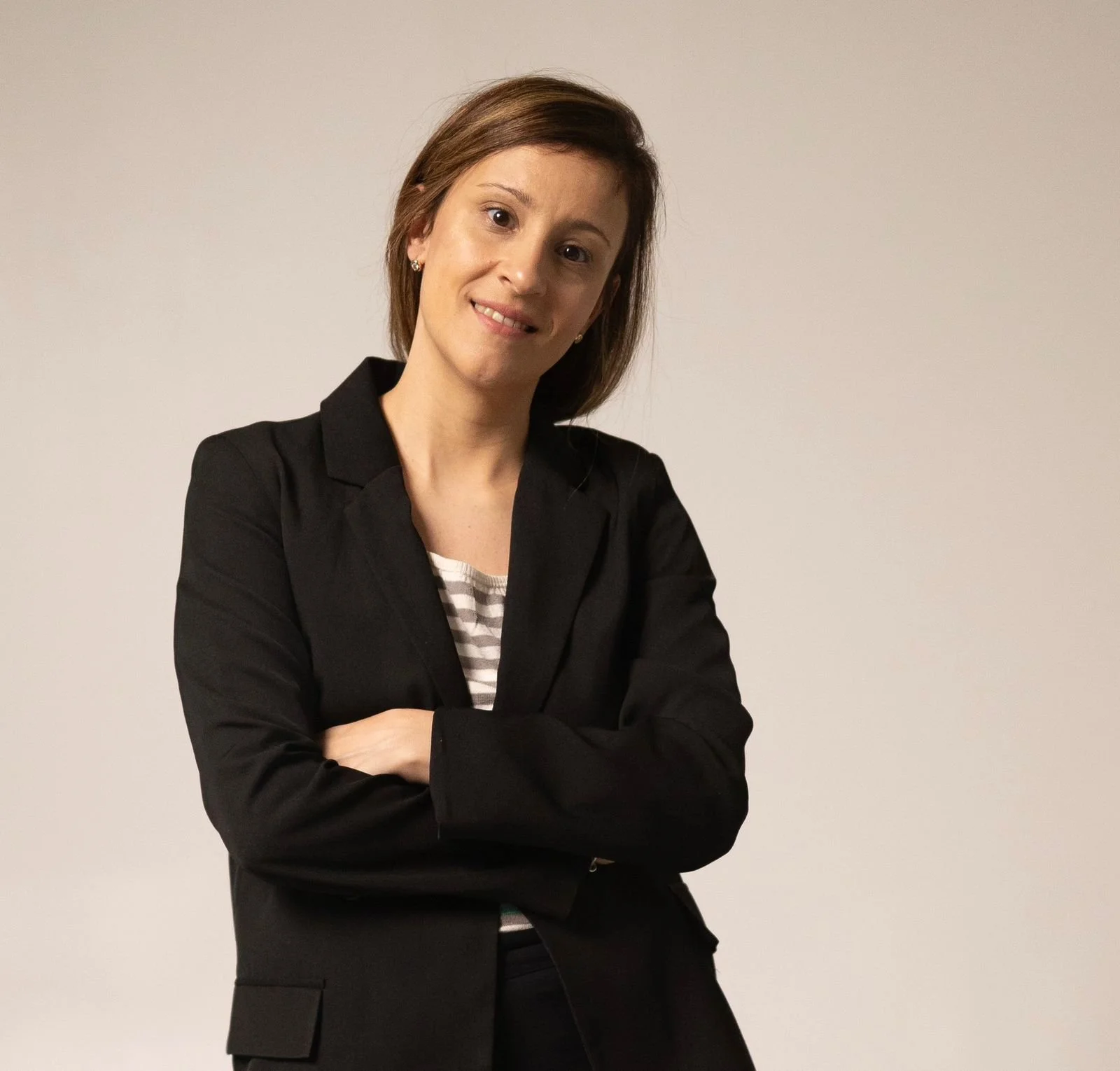
Maria Eugênia Godoy
Financial Director & Board Member
Senior Atlantic Fellow for Equity in Brain Health at Global Brain Health Institute (GBHI) - Trinity College Dublin (TCD); Project Manager of the multi-partner consortium to expand dementia research in Latin America; and International Advisor at BrainLat, Universidad Adolfo Ibáñez (Chile).
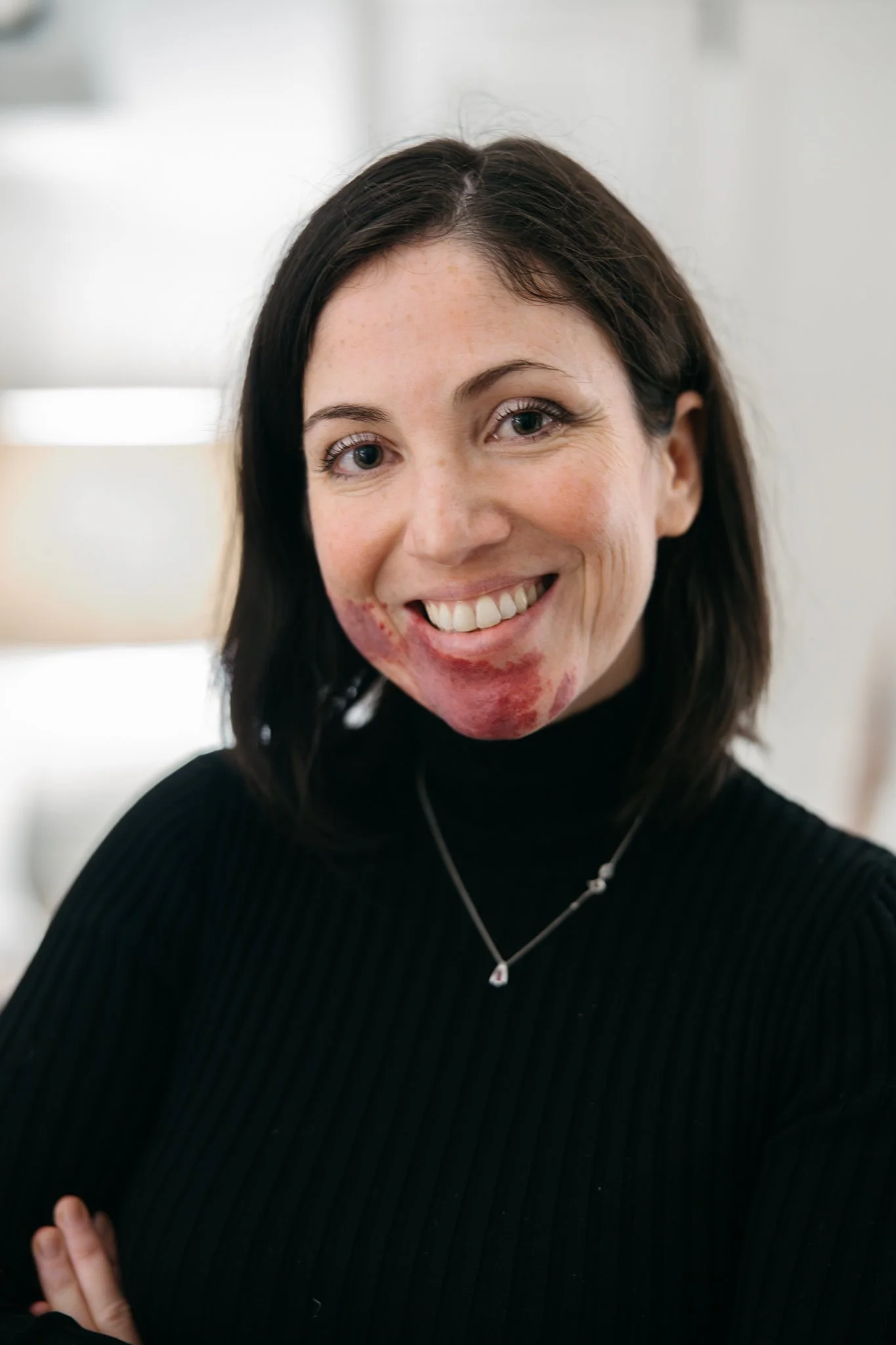
Maria Teresa Ferretti
Stakeholder Engagement Lead & Board Member
Neuroscientist and science advocate, Maria Teresa brings over 20 years of global experience in Alzheimer's and brain research across academia (McGill University, University of Zurich, Karolinska Institute), not-for-profit organizations, and startups (Syntropic Medical). A Fellow of the European Academy of Neurology and Privatdozent at the Medical University of Vienna, she is a well-known expert and speaker in the fields of dementia and gender medicine, including two TEDx talks, over 50 peer-reviewed publications, three textbooks, two books for the general public, and several policy reports.
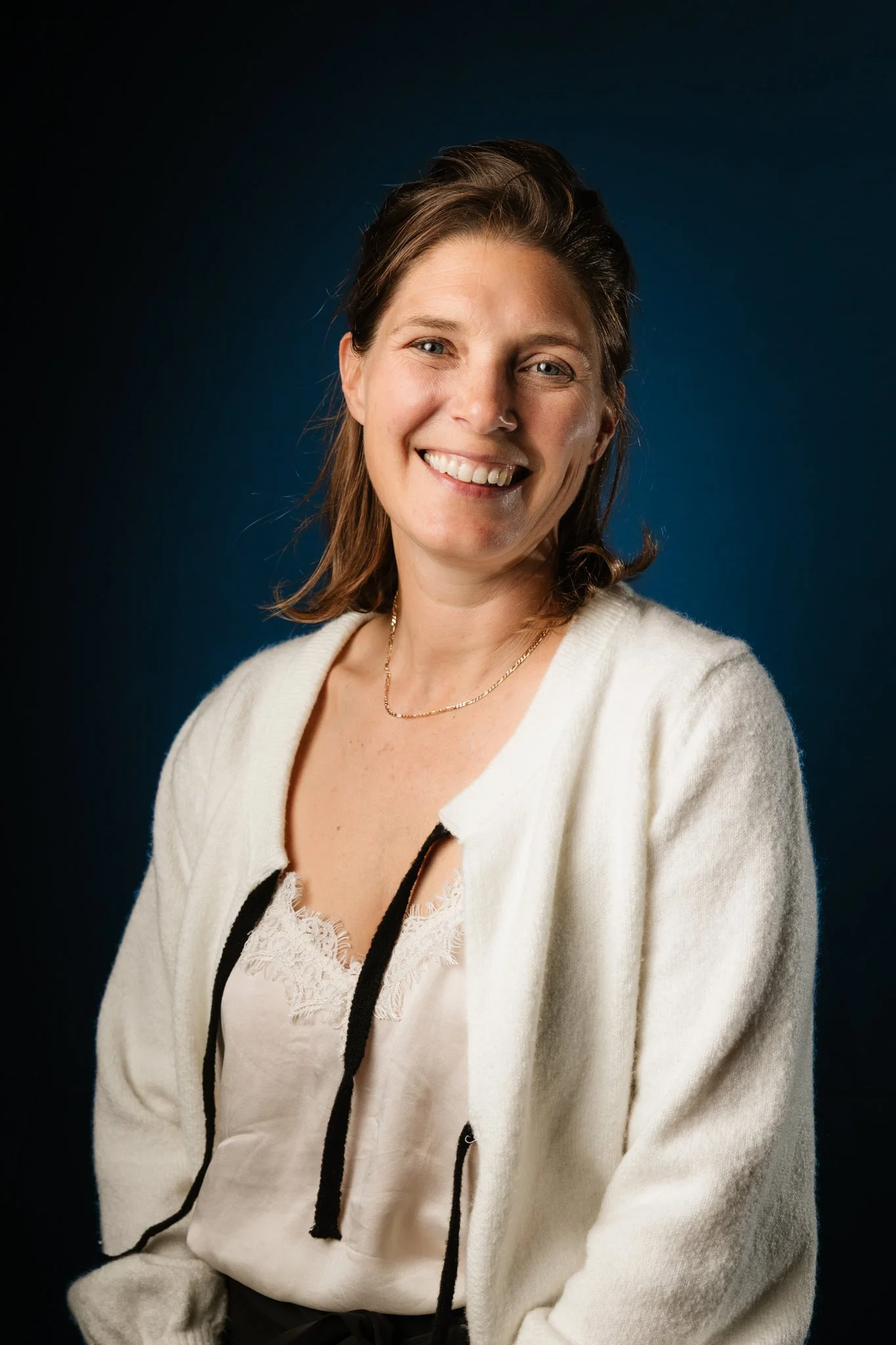
Kate Irving
Research & Evaluation Lead & Board Member
Professor of Clinical Nursing at Dublin City University, she holds a PhD from Curtin University (Australia) focused on the use of physical and chemical restraint in acute medical settings. She is Vice-Chair of the COST Action EDEM (Ethics and Dementia) and Coordinator of the FP7-funded In-MINDD study on dementia risk reduction.
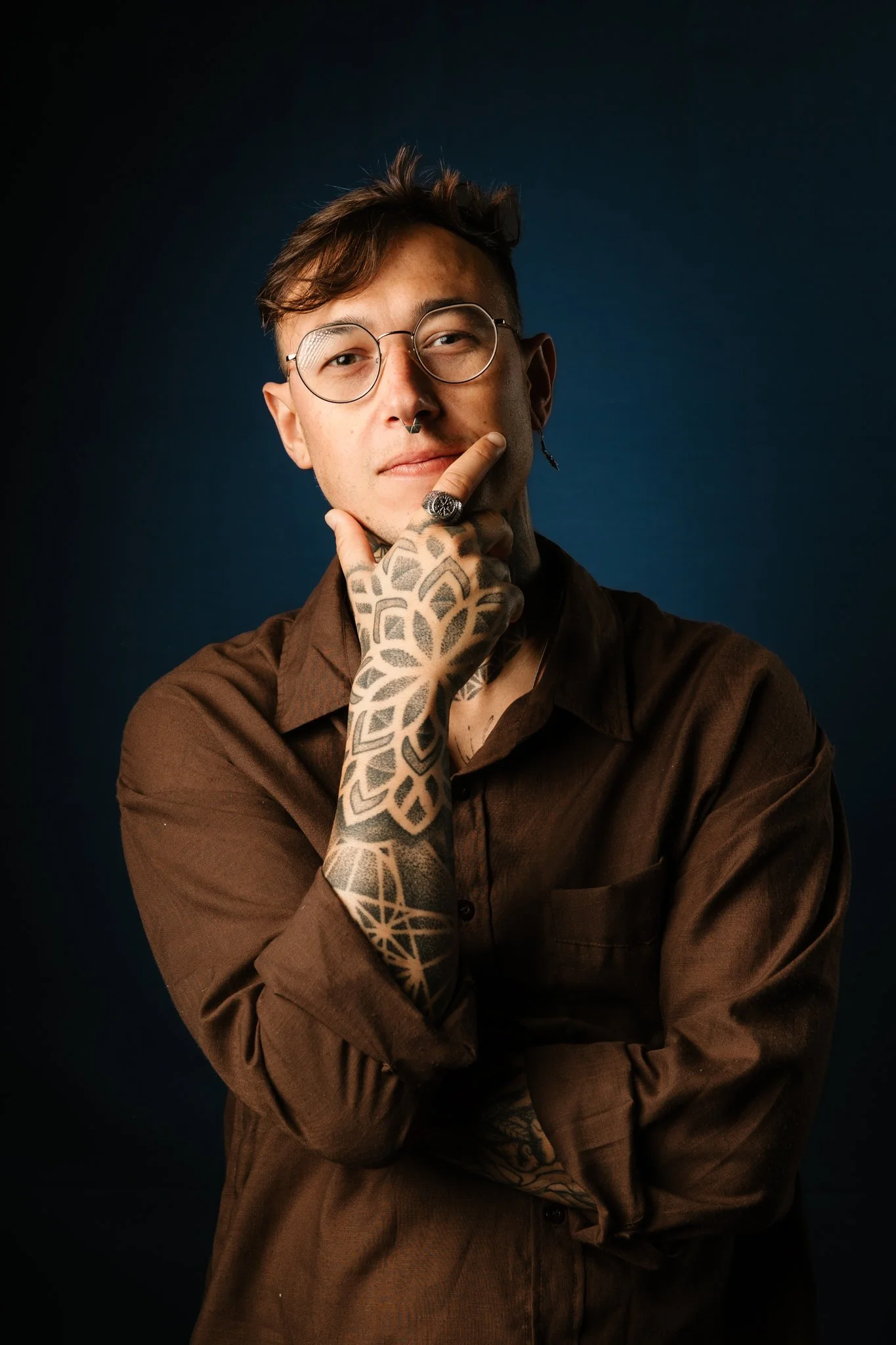
Max Schulte
Head of Media & Board Member
Filmmaker and photographer with over 10 years of experience documenting diverse cultures across countries. For the past three years, he has worked as a dementia advocate, using visual storytelling to raise awareness and amplify the voices of people living with a diagnosis.
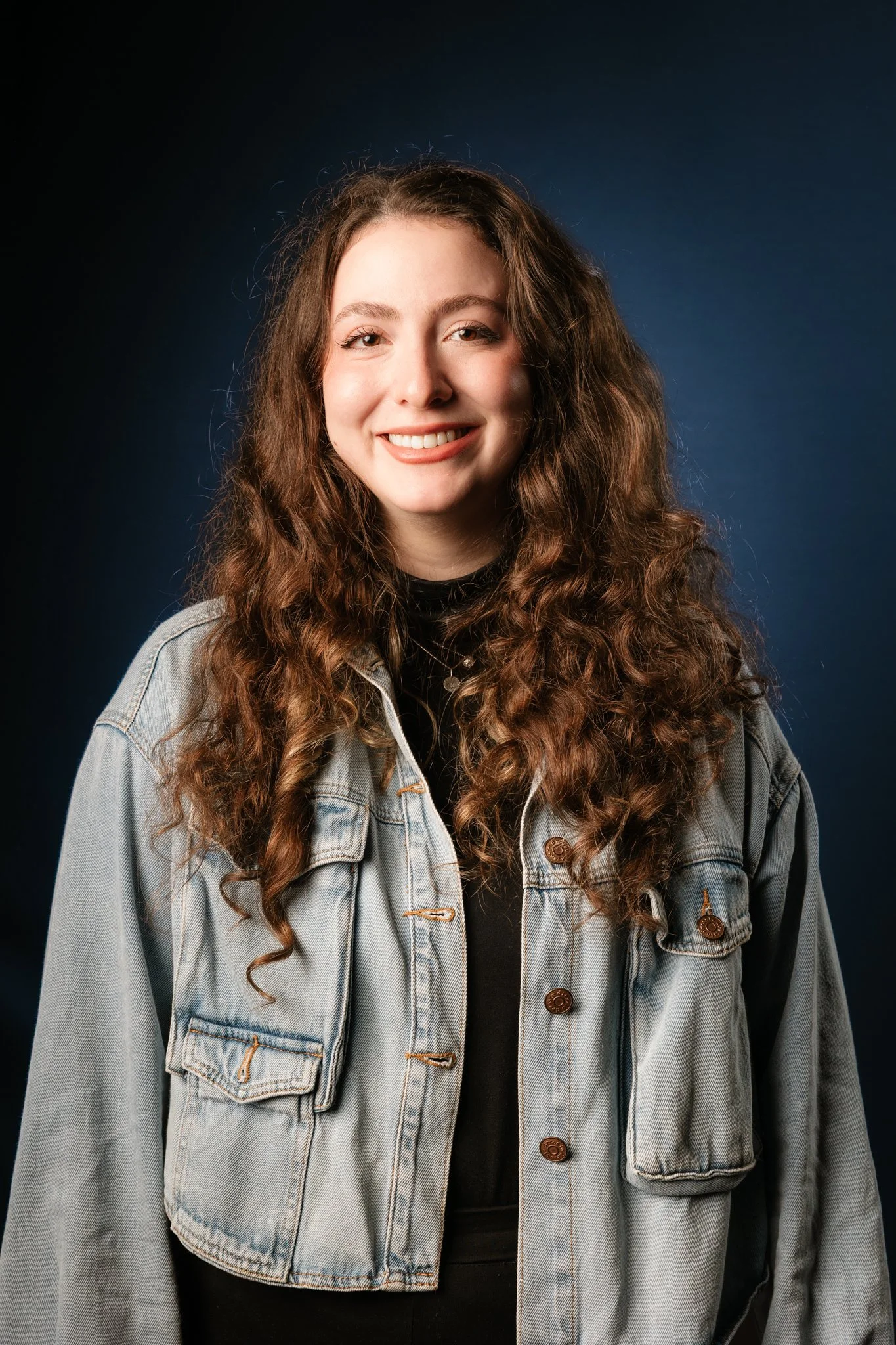
Julia Passador
Head of Legal and Compliance & Board Member
Julia is a lawyer with experience in civil litigation and corporate matters, advising on dispute resolution, governance, and complex legal structures. She is currently pursuing a Master's degree in Legal Philosophy, with a particular interest in the connections between law and language.
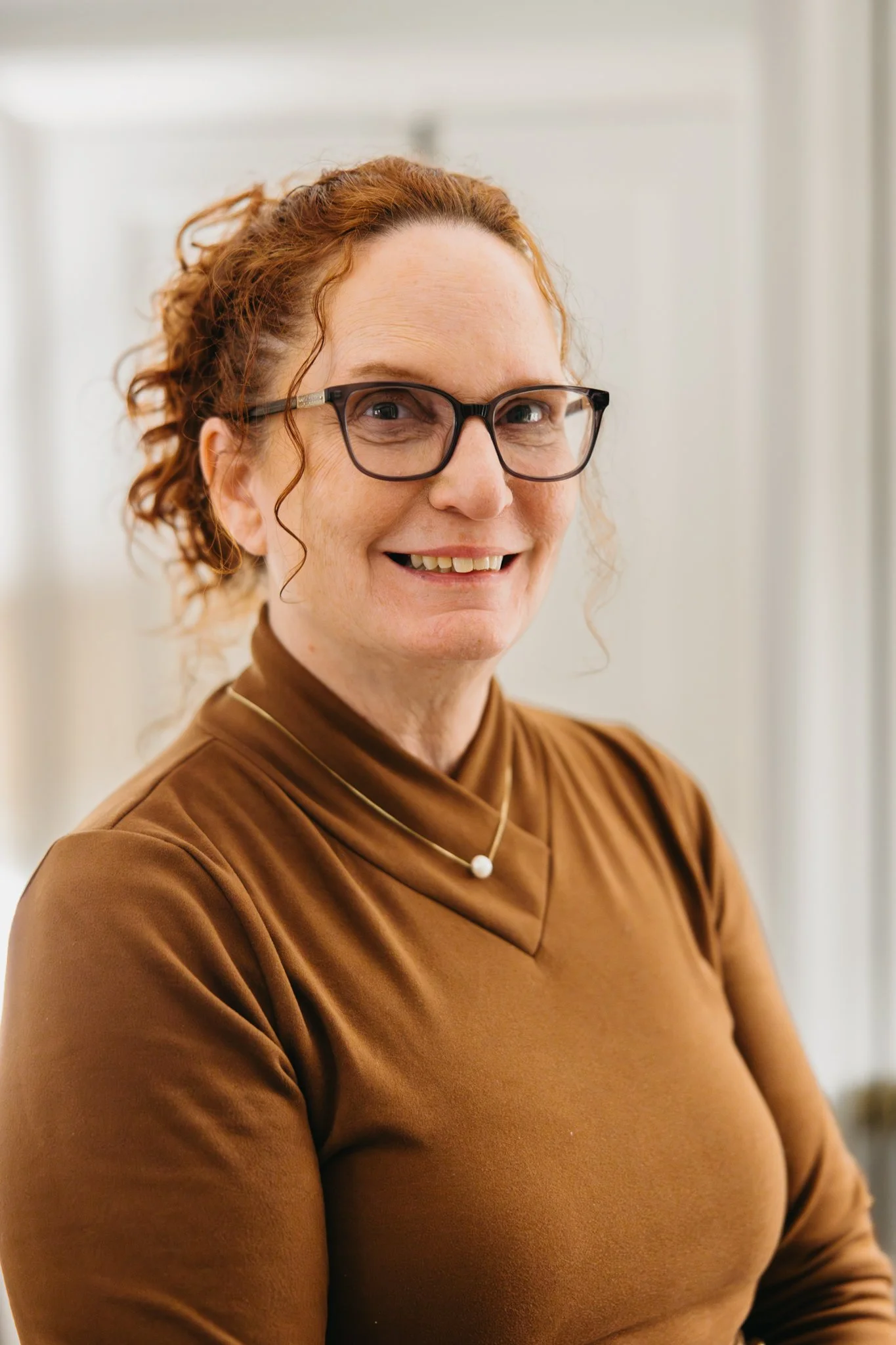
Laurie Waters
Board Member
President of the U.S.-based NGO Paint Clover Purple Dementia Association. A member of the Global Dementia Expert Panel at Alzheimer's Disease International (ADI) and a former Ambassador and Early Stage Advisory Group member for the Alzheimer's Association, Laurie brings both lived experience and global leadership to her work.
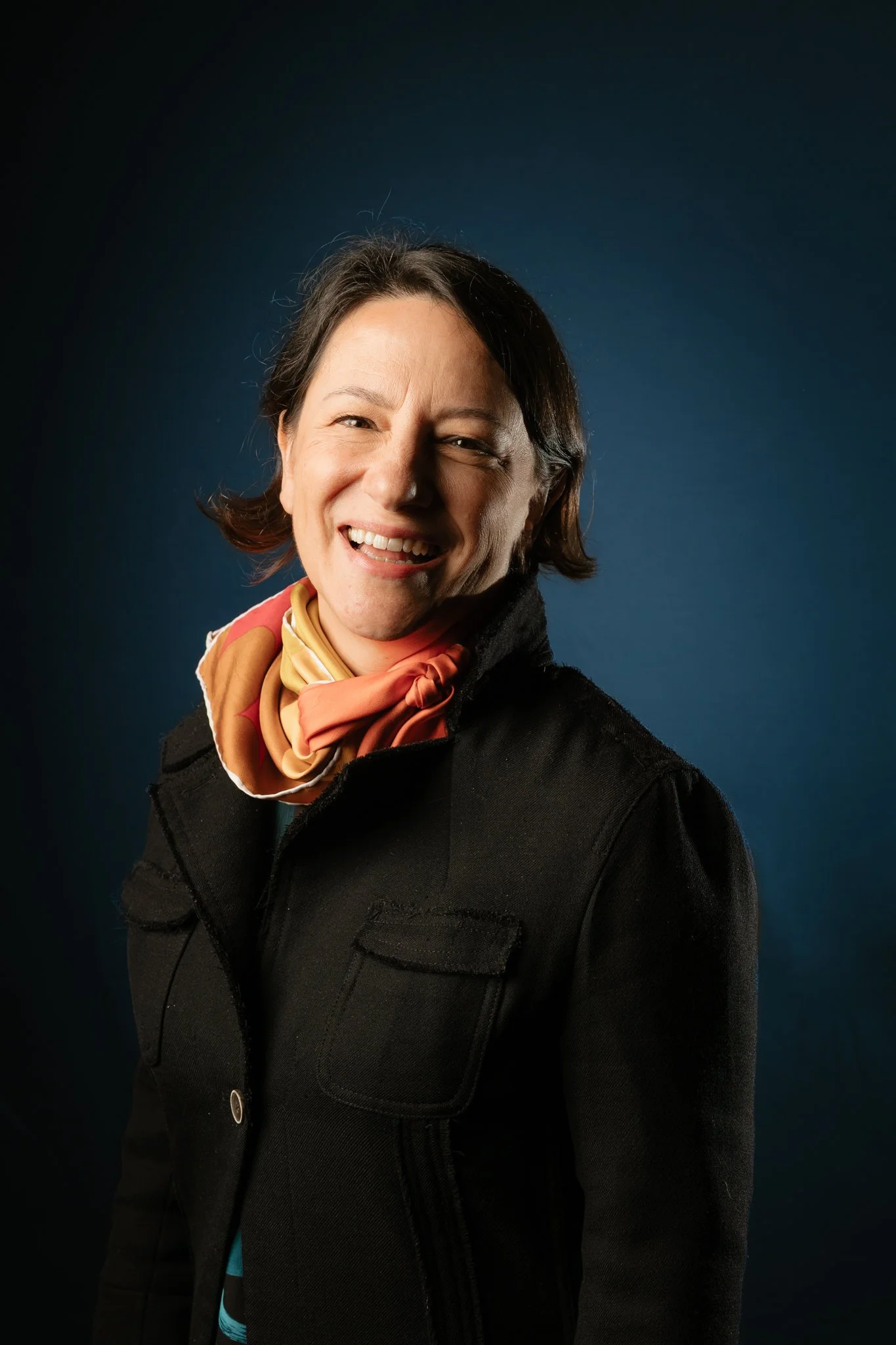
Elisabetta Favero
Board Member
Elisabetta is Italian and based in Dublin. She co-leads the Alumni Program of the Global Brain Health Institute (GBHI). In her role at GBHI, Elisabetta supports global brain health and equity by fostering relationships, creating learning and networking opportunities, and managing creative collaborations.
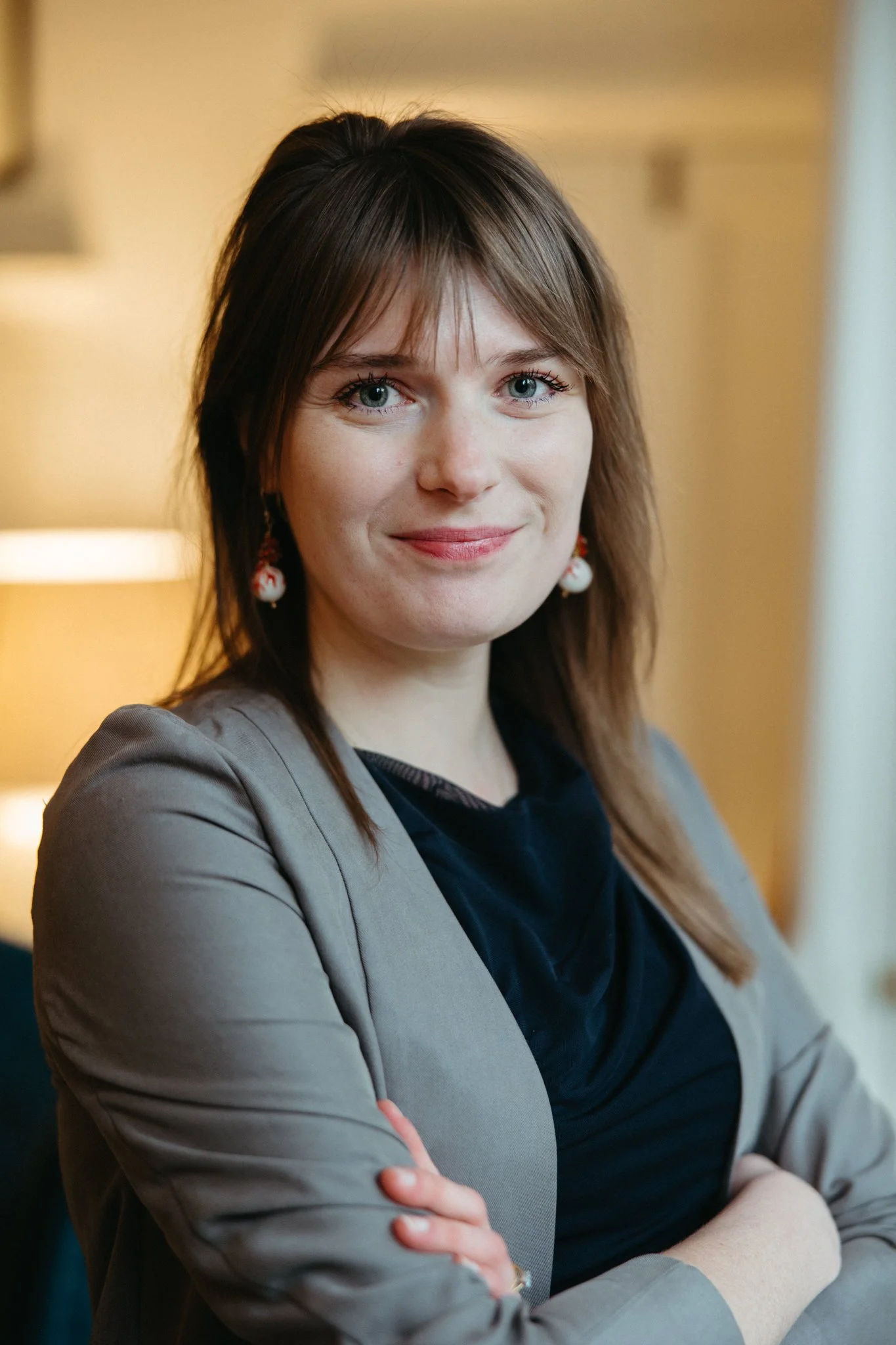
Charlèss Dupont
Board Member
Charlèss Dupont holds a PhD in Medical Sciences, is a registered nurse with a BSc in Communication, and holds an MSc in Management and Health Policy. As a nurse, she has over ten years of experience working in nursing homes and with people living with dementia.
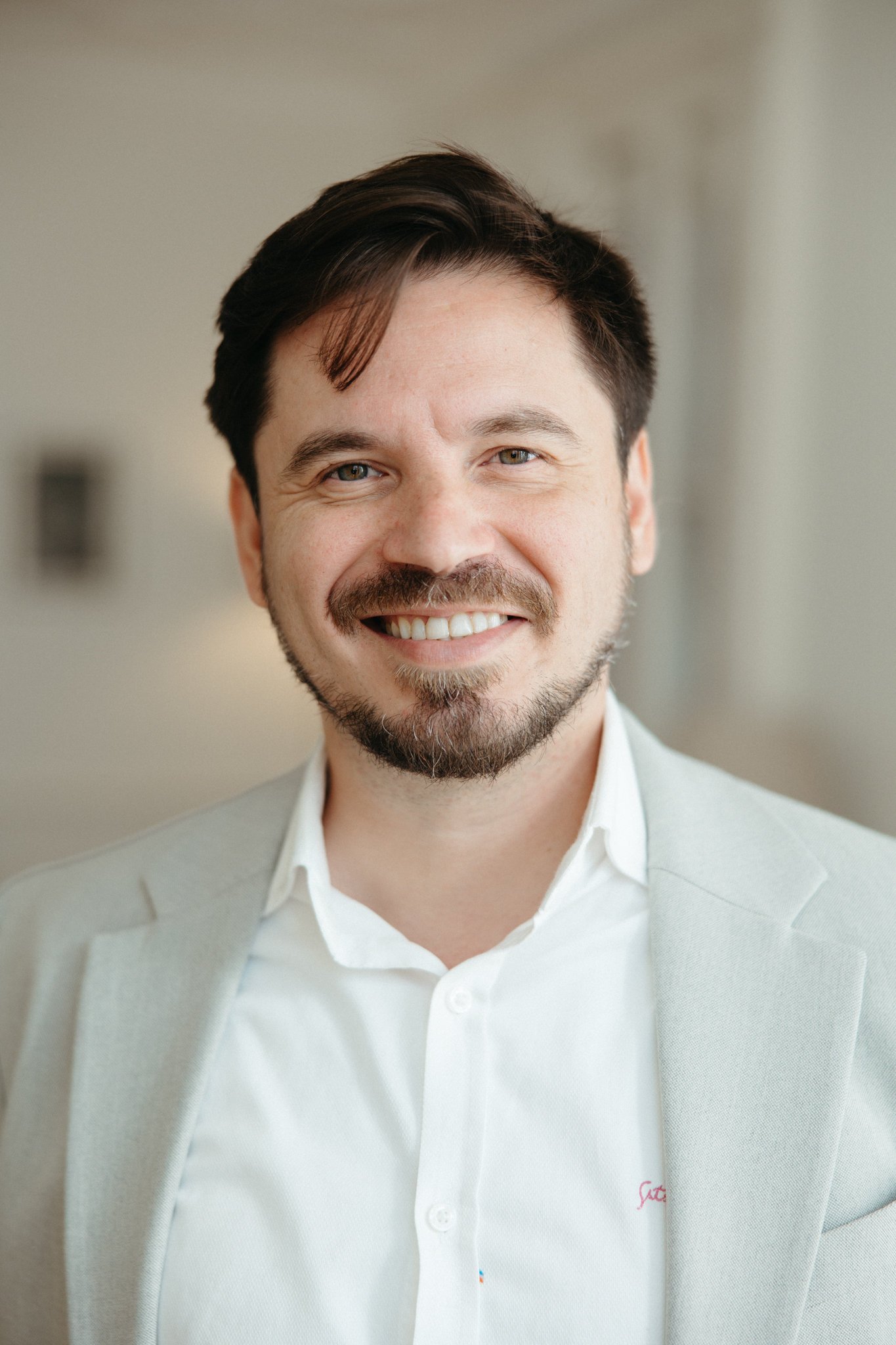
Eduardo Zimmer
Board Member
Head of Research at Hospital Moinhos de Vento (Brazil), Assistant Professor at the Federal University of Rio Grande do Sul (Brazil), and Adjunct Professor at McGill University (Canada). He is a CNPq Productivity Fellow (Level B) and a grantee of the Serrapilheira Institute and Ciência Pioneira programs. He is the recipient of the Alzheimer's Association One-to-Watch Award (2021) and the Blas Frangione Early Career Achievement Award (2024).
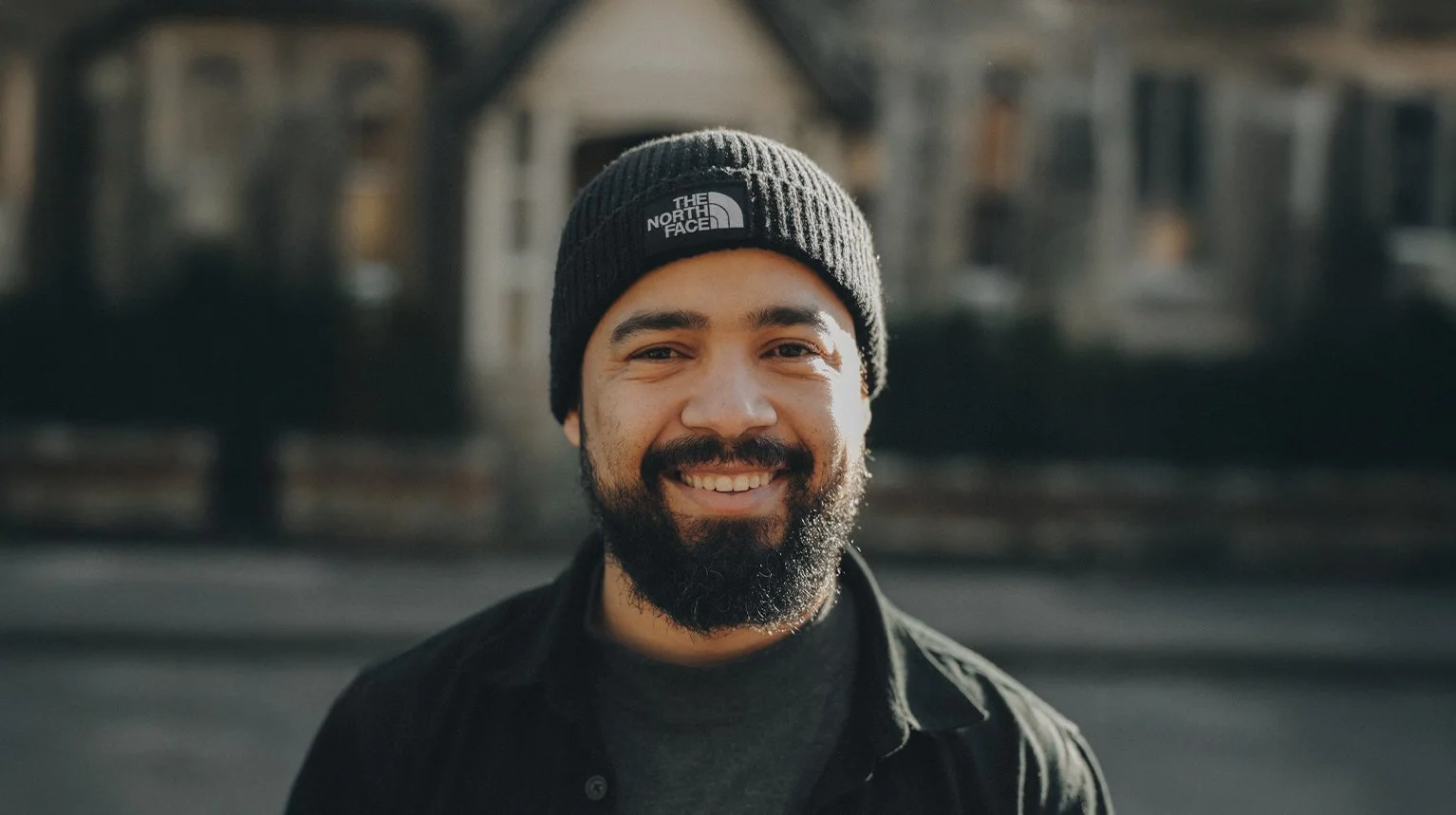
João Barbosa
Board Member
João Barbosa is an award-winning portrait photographer and visual storyteller based in Braga, Portugal. With over a decade of professional experience, he uses photography to explore memory, identity, and care, with a special focus on dementia.
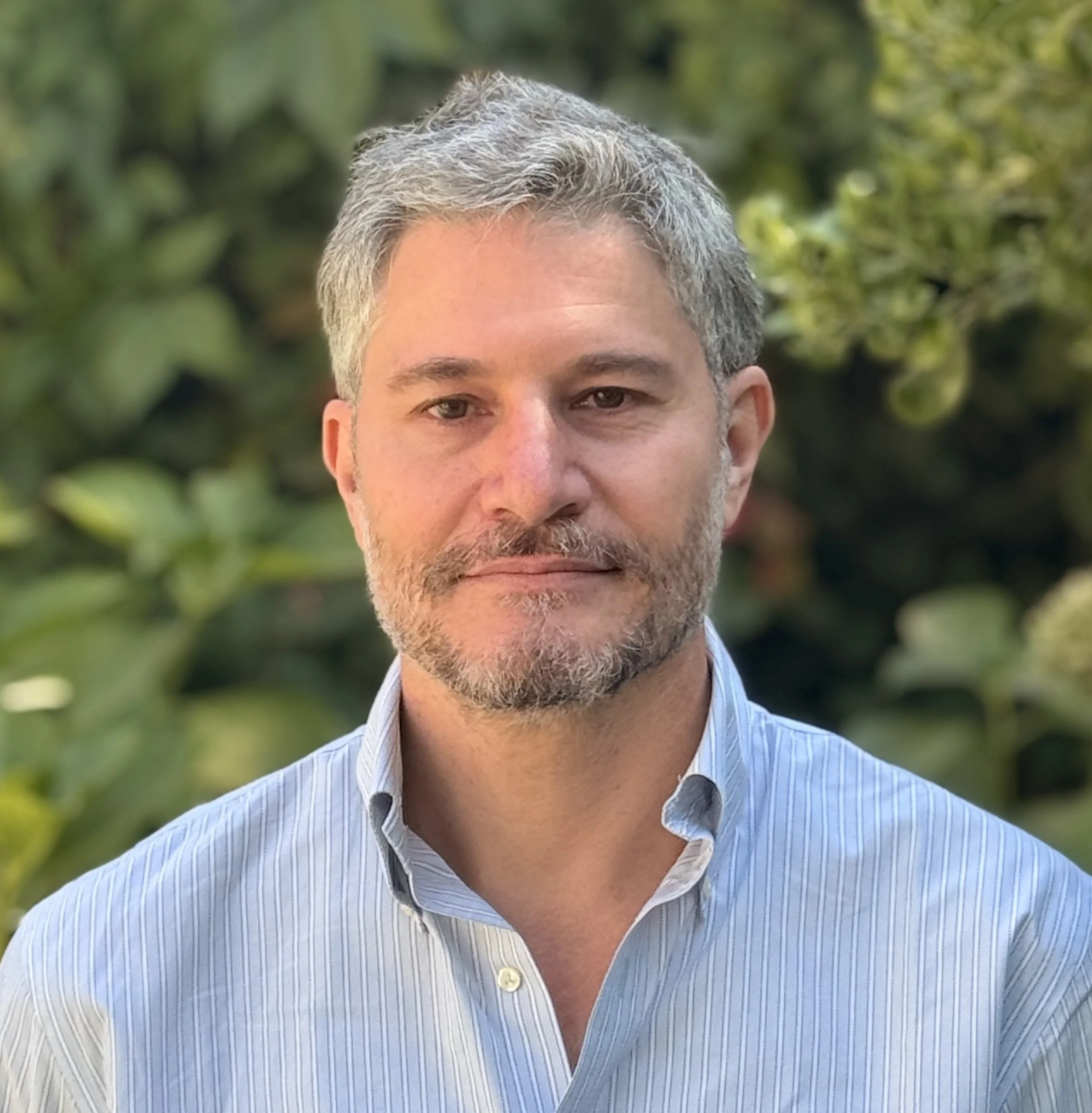
Agustin Ibáñez
Board Member
Agustín Ibáñez is a global leader in brain health, serving as Director of Global Research Networks at the Global Brain Health Institute (Trinity College Dublin) and Scientific Director of the Latin American Brain Health Institute (BrainLat, Universidad Adolfo Ibáñez).
Effective Members
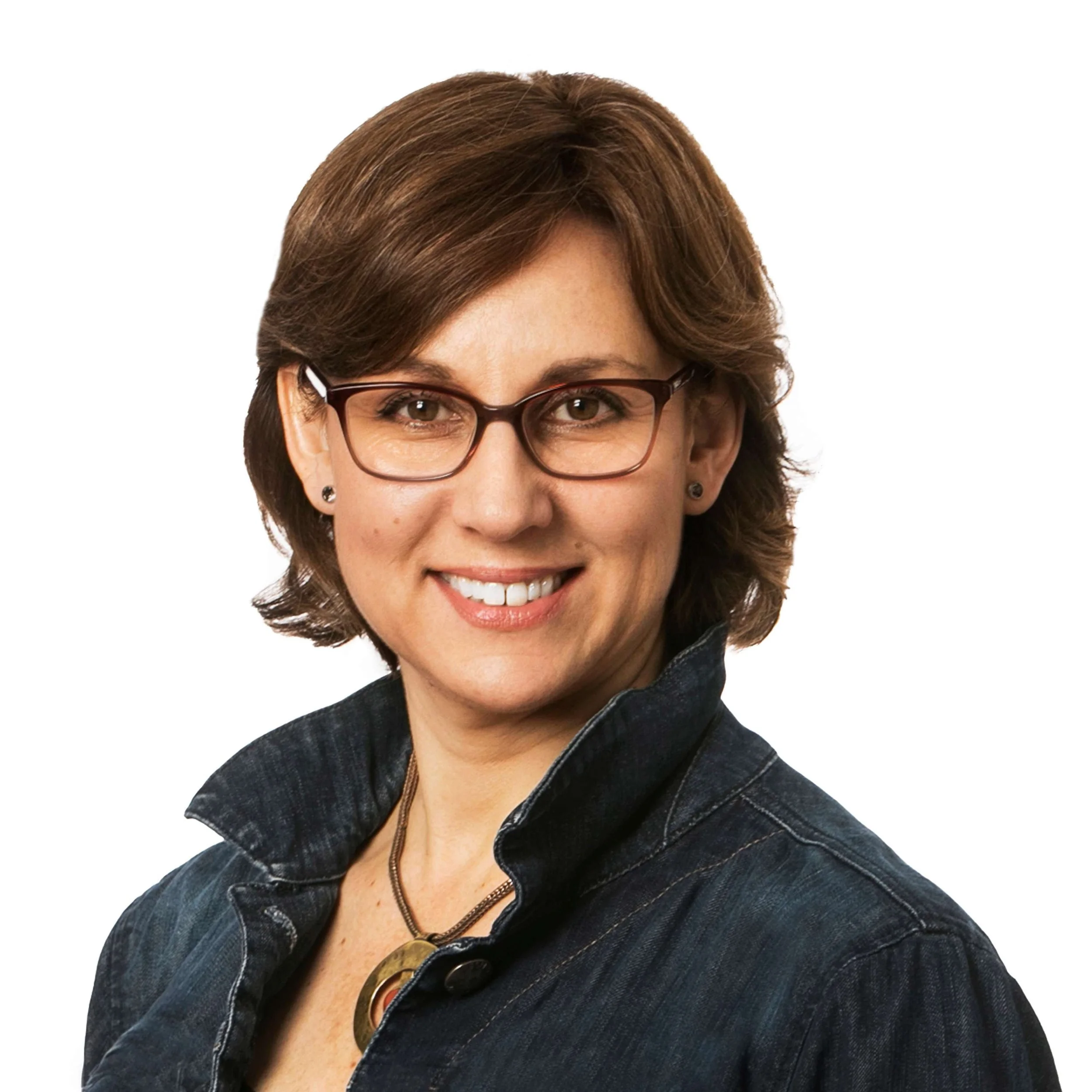
Iracema Leroi
Effective Member
Professor of Geriatric Psychiatry at Trinity College Dublin, Site Director of the Global Brain Health Institute as of 2025, and Consultant Geriatric Psychiatrist at St James' Hospital, Dublin. She was formerly Professor of Psychiatry at the University of Manchester. She currently leads the HRB Clinical Trials Network Dementia Trials Ireland and serves as Principal Investigator for a portfolio of pharmacological and non-pharmacological dementia clinical trials.
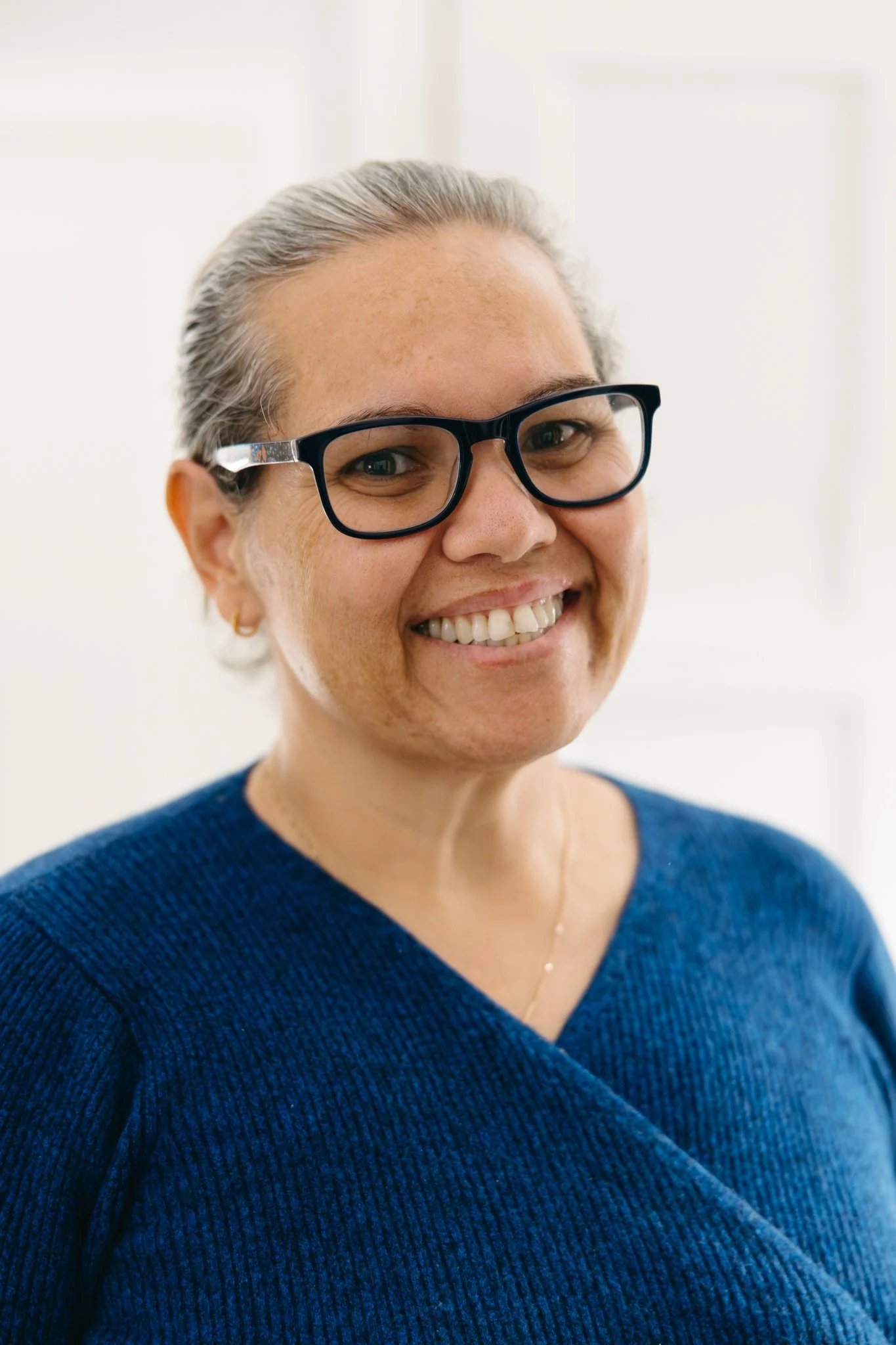
Michelle Steele
Effective Member
Chief First Nations Officer at the Paul Ramsay Foundation; Senior Fellow of the Atlantic Fellows for Social Equity at the University of Melbourne; and Co-Chair of the Global Fellows Advisory Board with the Atlantic Institute. She is an award-winning graduate of the Executive Master of Business Administration program at Queensland University of Technology.
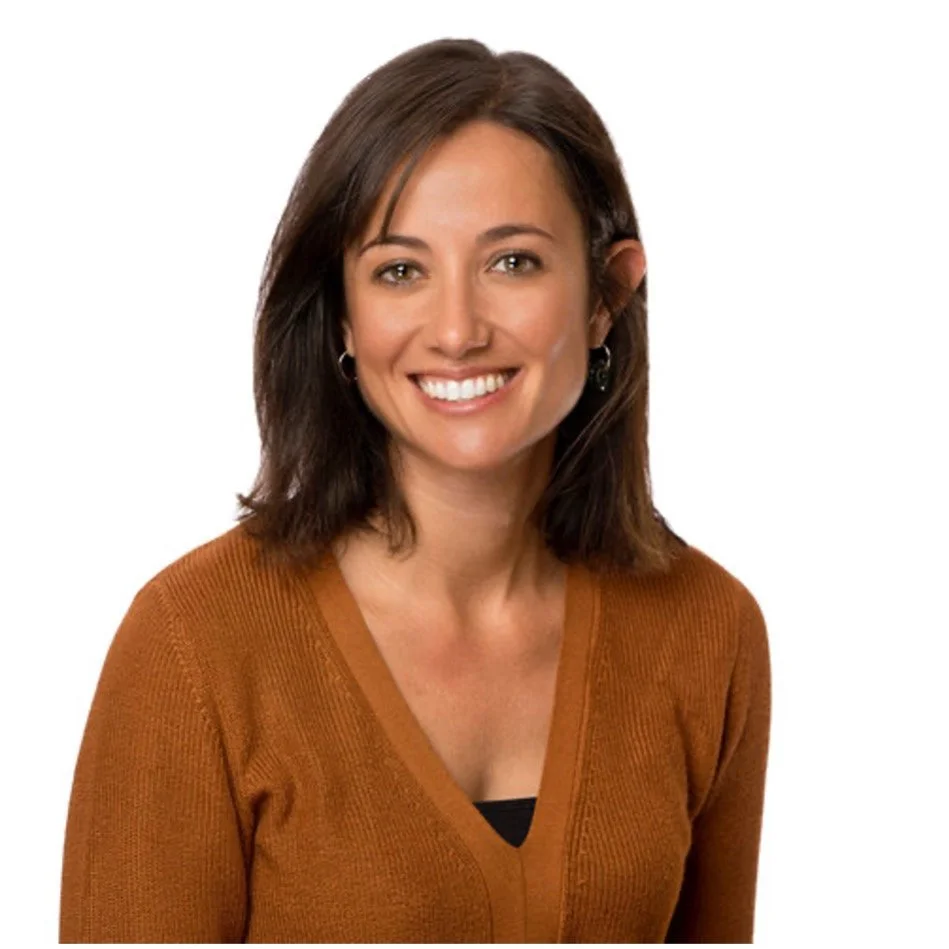
Clara Dominguez
Effective Member
Clinical neurologist, PhD, and Senior Atlantic Fellow for Equity in Brain Health at Global Brain Health Institute (GBHI) - Trinity College Dublin (TCD).
Supporting Members
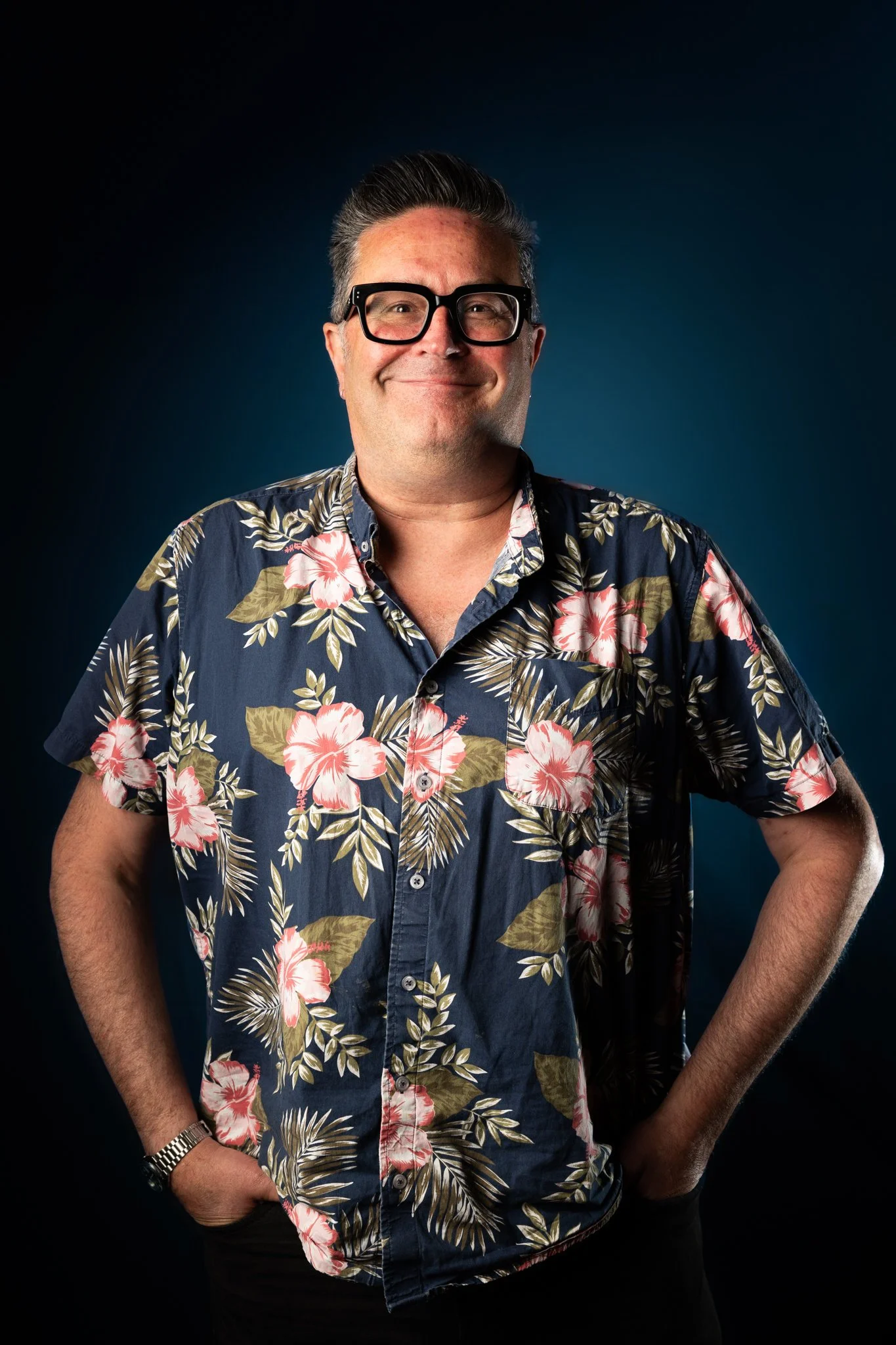
Graham Galloway
Supporting Member
Graham Galloway is the CEO of Meeting Centres Scotland, a charity that supports and oversees the development of dementia Meeting Centres across Scotland.
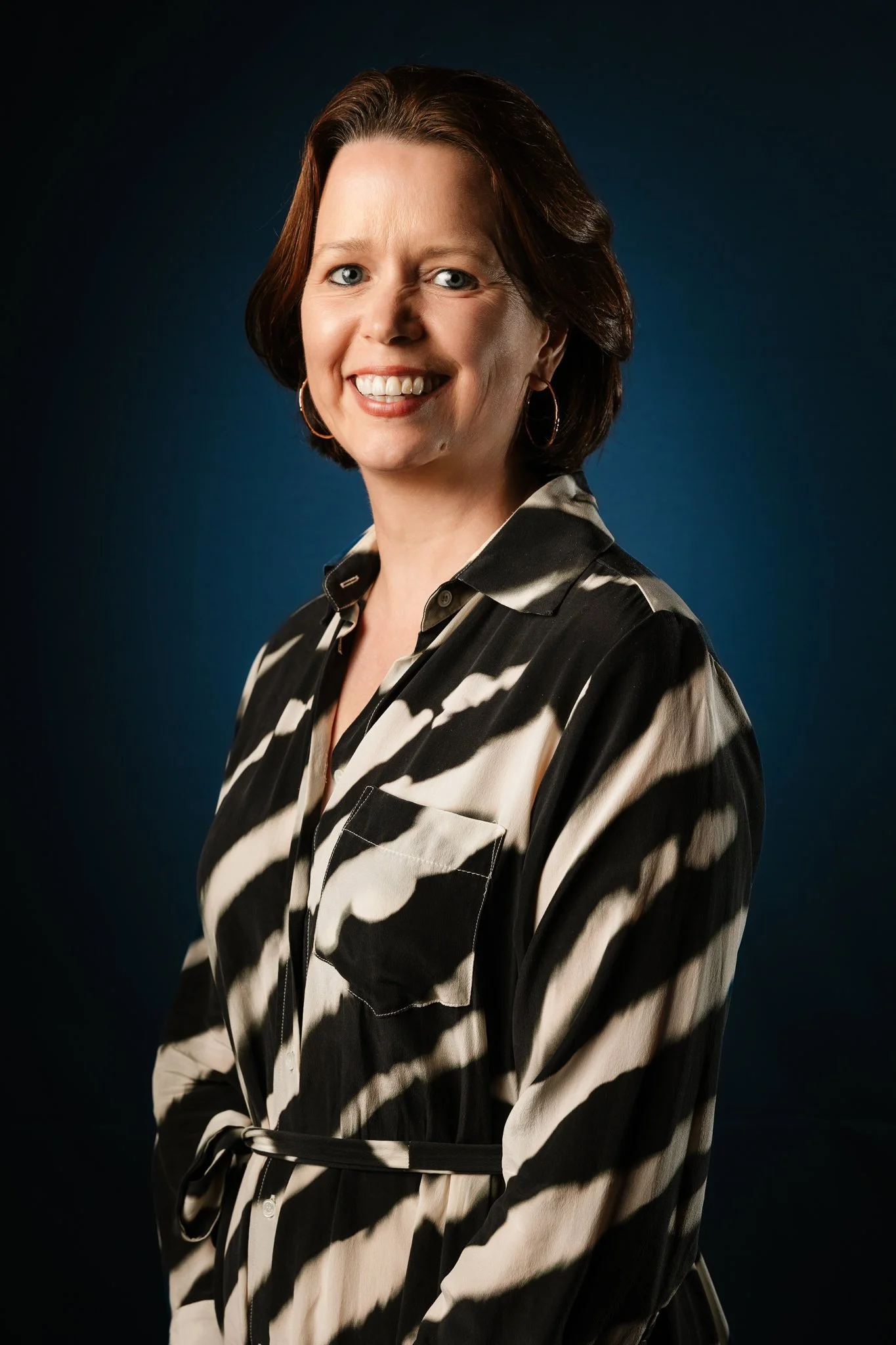
Claire Sexton
Supporting Member
Claire completed her doctoral and postdoctoral studies at the University of Oxford, before moving to the University of California San Francisco as an Atlantic Fellow for Equity in Brain Health.
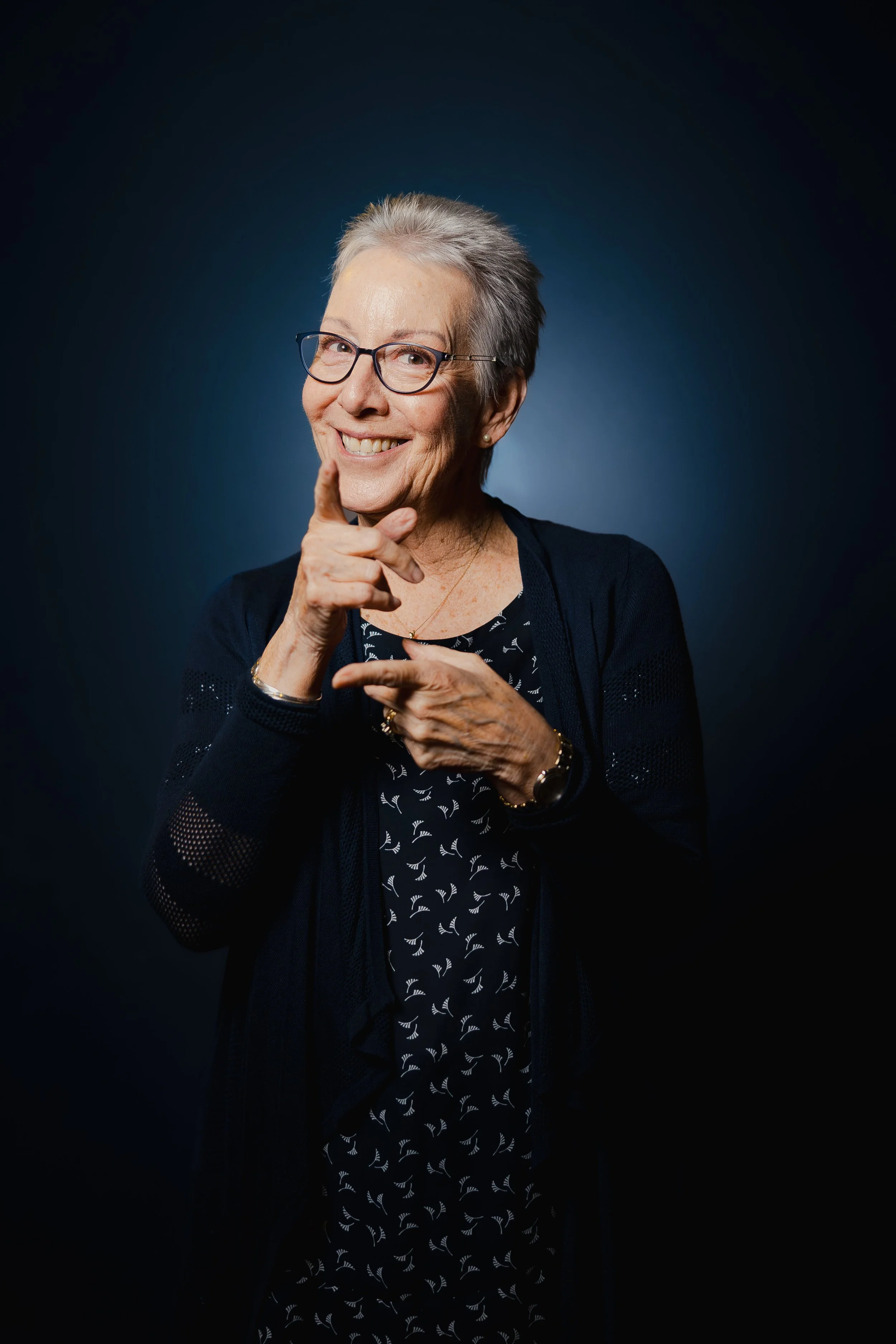
Helen Medsger
Supporting Member
Helen B. Medsger was the care partner and health advocate for two generations of her family who lived with Lewy body dementia.
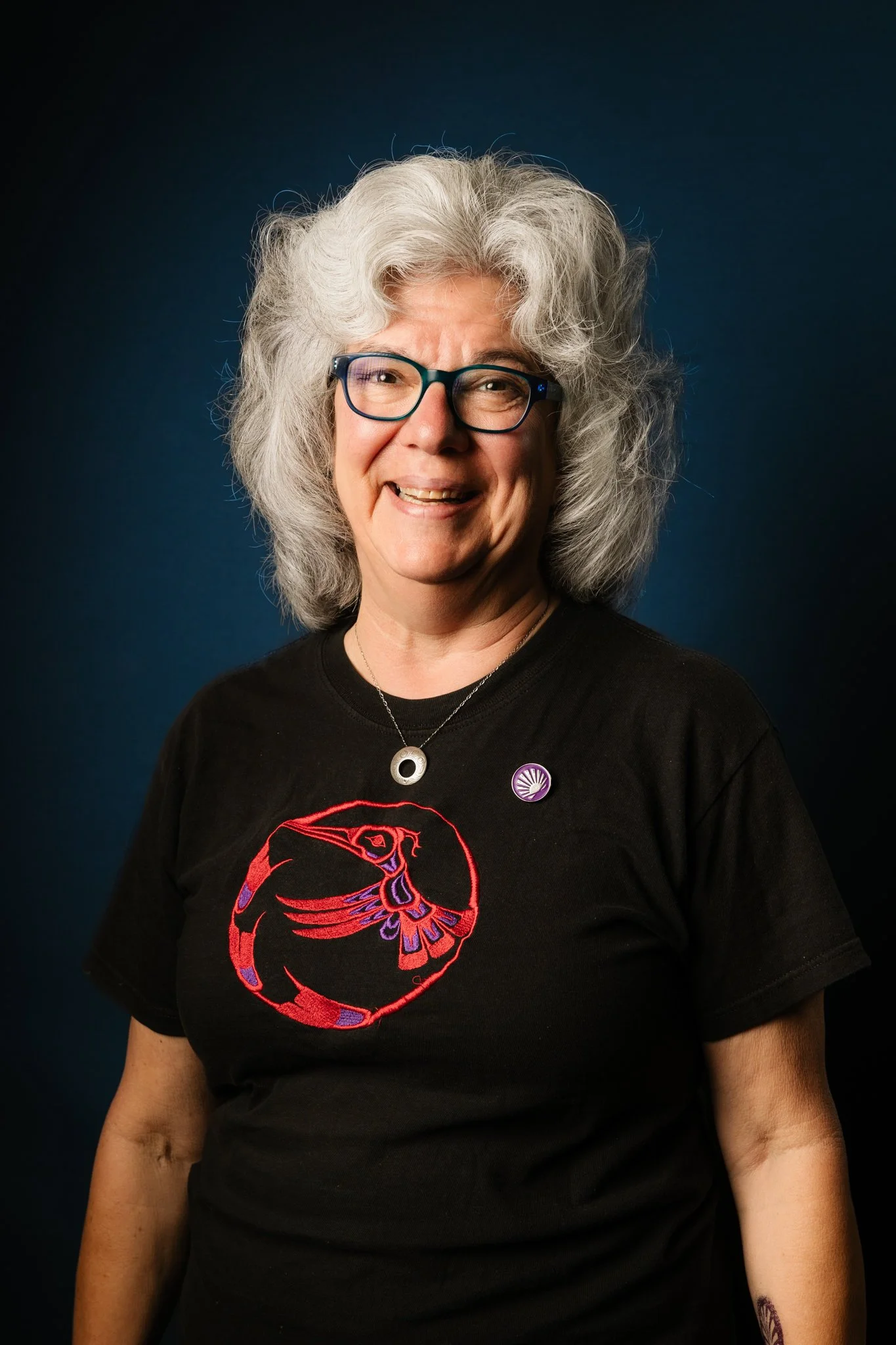
Sherril Gelmon
Supporting Member
Sherril Gelmon has 20+ years of lived experience of dementia through the journeys of her late parents and her husband Phil. Her research and advocacy seek to improve systems and supports for dementia care partners, to address the challenges she experienced. She is Professor Emerita of Health Systems Management and Policy at Portland State University (USA).